Direct peanut terms
Peanut, groundnut, earthnut, arachis oil, peanut flour, peanut protein, peanut butter, and mixed-nut ingredients are the clearest matches in the ingredient panel.
Peanut-free shopping is more than looking for the word peanut. IngrediCheck helps families scan packaged foods against saved peanut-free rules, review peanut ingredients, snack-category risk, precautionary statements, shared-equipment clues, and household-specific allergy rules before a product goes into the cart.
Quick answer
A peanut-free ingredient checker should flag peanut, groundnut, peanut flour, protein, butter, and oil while separating direct ingredients from voluntary cross-contact statements. IngrediCheck supports label review for the saved profile, but it cannot certify a snack peanut-free or replace allergist and school guidance.
What It Catches
Workflow
Read the label
Peanut, groundnut, earthnut, arachis oil, peanut flour, peanut protein, peanut butter, and mixed-nut ingredients are the clearest matches in the ingredient panel.
Chocolate, bakery items, ice cream, granola, candy, sauces, and bulk foods often deserve closer review because handling and shared lines may matter beyond the recipe.
May contain, shared equipment, and facility statements should stay visible and distinct from direct ingredients. Apply the household's clinician-approved rule rather than a universal risk score.
Decision boundary
IngrediCheck can match declared peanut terms and precautionary wording to a saved profile. It cannot verify a facility, detect undeclared contamination, certify school-safe status, or decide whether refined peanut oil is acceptable. Follow medical guidance and confirm uncertain manufacturing practices directly.
Related Scanner Paths
Alpha-Gal Ingredient Checker App
Scan labels for alpha-gal shopping rules, gelatin, lard, broth, dairy clues, and mammalian-source ingredients with IngrediCheck.
Dairy-Free Ingredient Checker App
Use IngrediCheck's dairy-free ingredient checker to scan labels for milk, whey, casein, ghee, lactose, and may-contain milk statements.
Egg-Free Ingredient Checker App
Scan labels for egg, albumin, lysozyme, ovalbumin, mayonnaise, and household allergy rules with IngrediCheck's egg-free checker.
Lecithin
Lecithin is a broad label term for phospholipid-rich emulsifiers used in chocolate, baked goods, dressings, infant foods, and supplements. The source can be soy, sunflower, egg, or less commonly animal tissue.
Gluten
Gluten is the protein network that gives wheat-based dough elasticity, chew, and structure. It matters to label readers because avoiding gluten is not just about bread; it is about derivatives, cross-contact, and reformulation drift across packaged foods.
Xanthan gum
Xanthan gum is a fermentation-derived thickener that shows up in gluten-free baking, sauces, dressings, and frozen desserts. It is often the ingredient that gives wheat-free products enough structure to hold together.
Label Clues
emulsifier
Lecithin: what it does in food, current safety notes, diet compatibility, and shopper guidance from IngrediCheck.
protein
Gluten: what it does in food, current safety notes, diet compatibility, and shopper guidance from IngrediCheck.
thickener
Xanthan gum: what it does in food, current safety notes, diet compatibility, and shopper guidance from IngrediCheck.
Related Guides
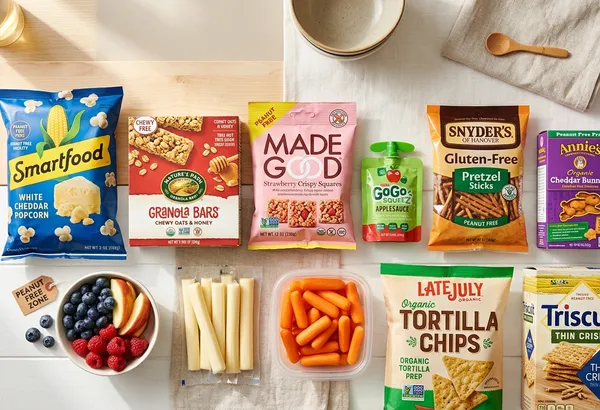
Mar 18, 2026 | 11 min read
Navigating snacks with a peanut allergy is harder than it looks. Here's how to read labels correctly, understand cross-contact warnings, and find genuinely safe options for every occasion.
Apr 13, 2026 | 8 min read
A food allergy scanner app or food allergen checker helps families catch allergens, ingredient derivatives, and label risks faster than manual label reading. Here's what to look for and how IngrediCheck works.

May 11, 2026 | 10 min read
Compare Yuka, Fig, Spoonful, Spokin, and IngrediCheck for food-allergy shopping, including free and paid access, best-fit jobs, and clear practical limits.
FAQ
No. IngrediCheck can flag peanut-related terms and label clues, but manufacturer controls, cross-contact policies, and medical risk decisions still require human review and clinician guidance.
May-contain statements, shared-equipment language, bakery and snack labels, imported products, reformulated foods, and brand policies can all deserve a slower check.
Yes. Peanut and tree nut rules can differ by household, school policy, and allergy history, so IngrediCheck works best when each shopper's saved rules stay specific.
Scan labels, see what fits your food notes, and read the why in plain English.