Grains, legumes, and dairy
Wheat, corn, rice, oats, soy, peanuts, pea protein, beans, milk, whey, and casein are common first-pass terms, but the exact exclusion list belongs to the saved rule.
Paleo label reading is mostly about applying your own rule set to modern packaged foods. IngrediCheck helps you scan labels for grains, legumes, dairy, added sugar, seed oils, and additive patterns, then decide what fits your version of paleo instead of relying on a universal diet verdict.
Quick answer
A paleo ingredient checker should compare grains, legumes, dairy, added sugars, oils, and modern additives with the specific paleo rule you follow. IngrediCheck makes those choices explicit instead of assigning one universal score, because paleo frameworks differ on sweeteners, oils, gums, and packaged-food exceptions.
What It Catches
Workflow
Read the label
Wheat, corn, rice, oats, soy, peanuts, pea protein, beans, milk, whey, and casein are common first-pass terms, but the exact exclusion list belongs to the saved rule.
Syrups, cane sugar, maltodextrin, modified starch, seed oils, shortening, and blended vegetable oils can make a grain-free or natural-looking product mismatch a stricter paleo plan.
Xanthan gum, carrageenan, emulsifiers, preservatives, flavors, and protein isolates are treated differently across paleo communities. A needs-review flag is more honest than an automatic verdict.
Decision boundary
IngrediCheck can consistently apply the paleo preferences you save and explain each label match. It cannot define authentic paleo practice for everyone or judge overall food quality. Use the scan to compare packages, then make exceptions according to your chosen framework.
Detailed label guide
The best paleo app for planning recipes may not be the one you need at the grocery shelf. Separate three jobs when comparing paleo apps: finding recipes or planning meals, recording what you eat, and checking packaged-food ingredients. For the third job, look for a scanner that shows the actual ingredient evidence and lets you apply your own choices about grains, legumes, dairy, oils, and sweeteners.
IngrediCheck focuses on that label-checking job. Save your paleo preferences, scan the barcode or ingredient panel, and review the matched ingredients before comparing products. A grain-free bar might contain pea protein, while another uses whey; a grain-free claim alone does not answer either the legume or dairy question. A useful result makes the difference visible and leaves exceptions with you. Check the current label again when a familiar product changes, and keep meal planning and nutritional adequacy decisions separate from ingredient matches.
Paleo is a diet framework rather than a regulated packaged-food claim, and there is no single ingredient list that every paleo shopper follows. Most versions emphasize minimally processed meat, fish, eggs, vegetables, fruit, nuts, and seeds while excluding grains and legumes. Dairy, added sweeteners, potatoes, seed oils, gums, and packaged-food exceptions vary. Save those choices first so the result explains the shopper's rule instead of pretending to represent a universal authority.
A profile can be strict, practical, or combined with another need. One person may avoid every grain, legume, dairy ingredient, added sweetener, and refined oil. Another may allow ghee, honey, white potato, or selected additives. A third may use paleo as a whole-food preference while also applying a separate allergy rule. Keep the profiles named and separate so one person's exception does not silently approve a product for the whole household.
Use the scan as label evidence. It can establish that a package declares rice flour, pea protein, whey, cane sugar, sunflower oil, maltodextrin, or xanthan gum. It cannot determine overall food quality, authenticate a paleo certification, or decide whether a debated ingredient belongs in everyone's plan. Direct matches, needs-review terms, and personal exceptions should remain visibly different outcomes.
Start with grains and grain derivatives. Wheat, barley, rye, oats, rice, corn, millet, sorghum, semolina, malt, grain flours, and many starch systems are common first-pass matches. Gluten-free is not the same as paleo: a gluten-free cracker may rely on rice flour, corn starch, oat flour, or a processed flour blend. Grain-free is also narrower than a full paleo review because it says nothing about legumes, dairy, sweeteners, or oils.
Next review legumes and modern protein systems. Soy, beans, lentils, chickpeas, peanuts, pea protein, soy protein isolate, textured vegetable protein, and legume-derived flours appear in bars, snacks, dips, meat alternatives, and protein powders. A shopper may treat a derivative or gum differently from the whole legume, so show the exact term and let the saved profile decide whether it is a direct conflict or a needs-review ingredient.
Then scan milk ingredients and exceptions. Milk, whey, casein, caseinates, cheese powder, yogurt solids, lactose, butter flavor, milk protein, and cream can appear in seasoning blends, sauces, bars, jerky, and baked products. Some paleo frameworks allow ghee or grass-fed butter while others exclude all dairy. That variation belongs in the profile, and an allergy-level dairy rule must remain separate from a preference-based paleo result.
Added sweeteners appear under many names: cane sugar, coconut sugar, honey, maple syrup, agave, dextrose, glucose syrup, brown rice syrup, fruit concentrates, and maltodextrin. Paleo communities differ on less-refined sweeteners, but a natural-looking name is still evidence the shopper may want surfaced. Review serving context and the complete ingredient system instead of allowing no added sugar or naturally sweetened wording to become an automatic approval.
Oils and packaged-food ingredients need equally explicit rules. Soybean, canola, sunflower, safflower, corn, grapeseed, cottonseed, vegetable-oil blends, shortening, and source-unclear oils may matter to a stricter profile. Gums, emulsifiers, preservatives, colors, flavors, protein isolates, and modified starches are treated differently across paleo communities. A needs-review result is more honest than declaring every additive non-paleo or ignoring the category entirely.
Front claims are useful shelf filters but answer only one part of the decision. Grain free can still include pea protein, dairy, sweeteners, starch, or seed oil. Dairy free can still contain grains and legumes. No added sugar can still use starches, fruit concentrates, or sugar alcohols. Natural and clean are not substitutes for the ingredient panel. Compare the claim with the current package and show the exact label facts that support or contradict the saved rule.
Packaged-food traps cluster in predictable categories. Bars can combine dates or honey with whey, pea protein, rice syrup, sugar alcohols, or chicory fiber. Sauces and dressings can include soybean or canola oil, dairy solids, wheat-based soy sauce, modified starch, maltodextrin, gums, and preservatives. Jerky may contain soy sauce, sugar, dextrose, smoke flavor systems, or curing ingredients. Scan the complete current formula rather than deciding from the product category.
Grain-free crackers and chips often use cassava, tapioca, almond flour, coconut flour, seed flour, or potato starch. Frozen meals combine several decision layers in one label: sauce, starch, oil, dairy, protein, gum, and seasoning. Put comparable products under the same saved profile and review direct conflicts first, then debated ingredients. This creates a useful comparison without forcing an uncertain product into a green or red universal score.
Recheck repeat purchases whenever the package, size, claim, country, manufacturer, ingredient order, or allergen statement changes. Barcode records are convenient when current; a label photo is better evidence for a new or reformulated package. For menus and incomplete online listings, keep the result unresolved until the ingredient and preparation details are available. A paleo app should reduce label-reading work while leaving nutrition, medical, allergy, and personal-exception decisions with the shopper.
Keep the reason for each result attached to the current package. A direct grain, legume, or milk match can be resolved quickly; a source-dependent flavor, blended oil, gum, or starch may remain for manual review. When two products otherwise fit, prefer the one whose ingredient sources and serving information are easier to verify. Keep a short list of clearly supported staples for routine trips, but rescan them after reformulation. This evidence-first routine makes a paleo scanner useful for repeated shopping without turning a broad diet pattern into an invented certification standard.
Related Scanner Paths
AIP Ingredient Checker App
Scan packaged foods against AIP-style saved rules for grains, legumes, dairy, nightshades, seeds, and additives with IngrediCheck.
Alpha-Gal Ingredient Checker App
Scan labels for alpha-gal shopping rules, gelatin, lard, broth, dairy clues, and mammalian-source ingredients with IngrediCheck.
Check Foreign Food Labels Against Your Food Notes
Use IngrediCheck to photograph some foreign food labels, review available ingredient information, and check it against saved Food Notes while traveling.
Seed oils
Seed oils are common edible oils used in cooking, frying, dressings, sauces, and packaged foods. They are controversial mostly because internet claims treat a broad class of oils as one ingredient with one health outcome.
Carrageenan
Carrageenan is a seaweed-derived thickener used in dairy alternatives, chocolate milk, deli meat, whipped toppings, and desserts. It is useful in manufacturing because it helps liquids stay smooth and suspended.
Xanthan gum
Xanthan gum is a fermentation-derived thickener that shows up in gluten-free baking, sauces, dressings, and frozen desserts. It is often the ingredient that gives wheat-free products enough structure to hold together.
Calcium propionate
Calcium propionate is a mold-inhibiting preservative commonly used in bread, buns, tortillas, and other packaged baked goods. It matters because it sits at the center of a real shelf-life tradeoff between softer bread products and simpler ingredient decks.
Label Clues
additive
Seed oils: what it does in food, current safety notes, diet compatibility, and shopper guidance from IngrediCheck.
thickener
Carrageenan: what it does in food, current safety notes, diet compatibility, and shopper guidance from IngrediCheck.
thickener
Xanthan gum: what it does in food, current safety notes, diet compatibility, and shopper guidance from IngrediCheck.
preservative
Calcium propionate: what it does in food, current safety notes, diet compatibility, and shopper guidance from IngrediCheck.
Related Guides
Jun 11, 2026 | 12 min read
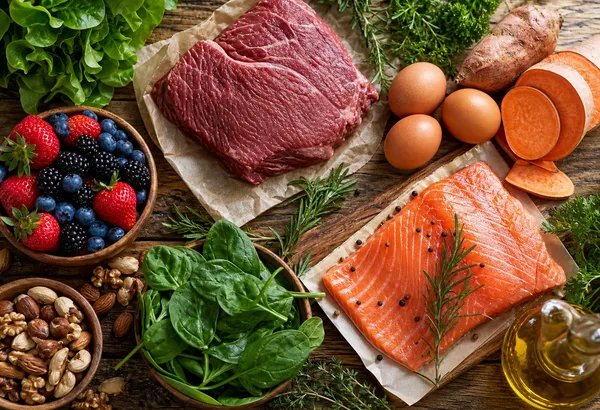
An encyclopedic guide to the Paleo diet covering grain derivatives (maltodextrin, modified starch, dextrose) hiding in packaged food, legume-derived gums and proteins, seed oils in dressings and snacks, how to identify truly Paleo-compliant labels, and where Paleo and Whole30 differ.

Apr 21, 2026 | 8 min read
A practical guide to checking packaged foods against your own allergies, diets, and ingredient preferences, instead of relying on a generic food score.
May 13, 2026 | 9 min read
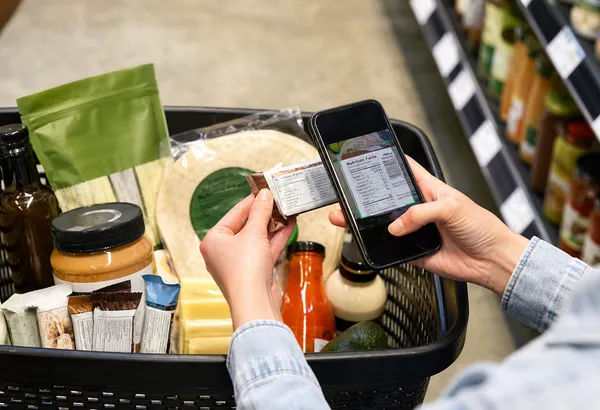
A keto food scanner app helps shoppers review total carbs, net carb claims, sugar alcohols, sweeteners, maltodextrin, and packaged-food label traps.
Jun 11, 2026 | 12 min read
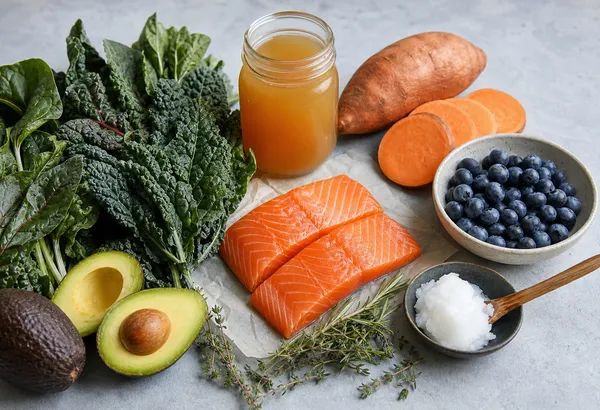
An encyclopedic guide to the Autoimmune Protocol covering nightshade derivatives hidden in spice blends, seed-based spices, legume gums, grain derivatives, egg forms, food additives, and how to read labels when following AIP.
FAQ
Choose for the job you need: recipes and meal planning, food logging, or checking packaged-food ingredients. For label checking, look for readable ingredient evidence, rules you can customize, and clear limits on uncertain ingredients. IngrediCheck focuses on scanning labels against saved preferences; it does not define one universal paleo diet.
No. Paleo rules vary by shopper and context. IngrediCheck compares labels against saved rules so the final decision stays with the person following the diet.
Grain flours, corn, rice, oats, soy, peanuts, pea protein, dairy ingredients, added sugars, starches, seed oils, gums, and emulsifiers are common first-pass flags.
No. Paleo, gluten-free, and keto checks can overlap, but they answer different label questions. Saved rules keep those workflows separate.
Scan labels, see what fits your food notes, and read the why in plain English.