Topic Hub18 ingredients6 guides

Where Ingredients Appear

Look up where additives like Blue 1, Yellow 5, BHA, potassium bromate, sodium benzoate, and calcium propionate appear in foods.

where usedfoods with additivesingredient usescommon foods

Intro

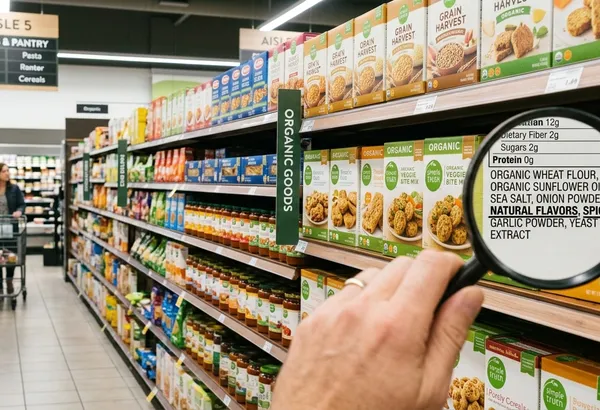
Many ingredient searches start with a shelf-level question: what foods contain this additive, where does a color like Blue 1 come from, and is the ingredient common enough to watch for again? This hub maps recurring additive names to food categories, functions, and label cues that make the linked IngrediCheck profiles easier to use.

Why It Matters

Where-used searches sit between broad additive education and a single product scan. A dedicated hub helps shoppers move from queries like "foods with Yellow 5," "foods with BHA," "where does Blue 1 come from," or "is potassium bromate still used in U.S. bread" into sourced profiles that explain function, diet notes, regulatory context, and practical label checks.

Fast answer

Blue 1 is a synthetic certified color additive

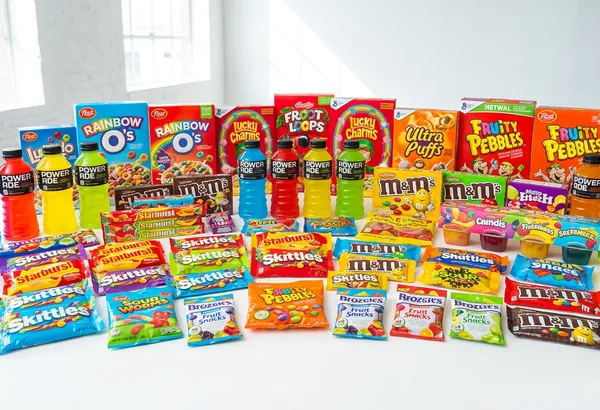
Blue 1, also listed as FD&C Blue No. 1 or Brilliant Blue FCF, is not a fruit, algae, or mineral color. FDA regulates it as a certified color additive with a defined chemical identity, while colors exempt from certification are obtained largely from plant, animal, or mineral sources. On labels, Blue 1 most often points to brightly colored drinks, candy, frostings, freezer pops, and novelty snacks.

Search answers

Fast answers for common food and source searches

These short answers target the recurring Search Console questions that need a direct response before the lookup table. Use them with the linked profiles for source details, label names, and full citations.

Where does Blue 1 come from?

Blue 1 is a synthetic certified color additive, not a color extracted from fruit, algae, animals, or minerals. FDA defines FD&C Blue No. 1 by chemical identity and requires certified color batches to meet agency specifications before food use.

What foods contain Blue 1?

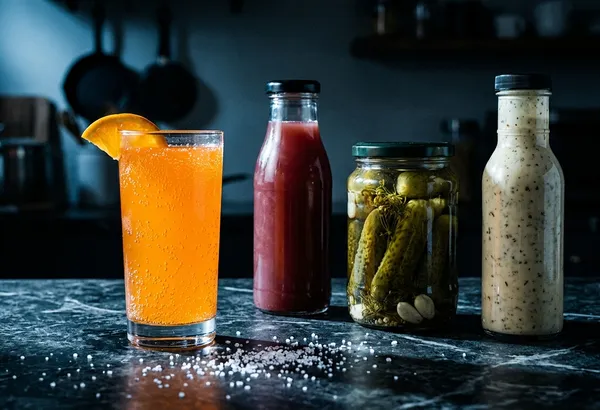
Blue 1 most often appears in bright blue or green-blue packaged foods such as sports drinks, candy, frostings, ice cream, freezer pops, and novelty snacks. The label may say Blue 1, FD&C Blue No. 1, Brilliant Blue FCF, or E133.

What foods contain Yellow 5?

Yellow 5 is common in beverages, desserts, candy, breakfast cereals, chips, and other bright yellow or orange packaged foods. FDA rules require foods with FD&C Yellow No. 5 to declare it in the ingredient list.

What foods contain BHA?

BHA is an antioxidant preservative used to slow rancidity in fat-containing packaged foods. FDA's BHA review notes use in frozen meals, breakfast cereals, cookies, candy, ice cream, meat products, and other foods where fats and oils need shelf-life protection.

Is potassium bromate still used in U.S. bread in 2026?

Yes, it is still listed in FDA food-substance and bread standards for narrow bread and flour uses, even though many brands have reformulated and many other markets restrict or avoid it. The practical label check is potassium bromate, bromated flour, or flour improver language on bread, buns, rolls, and bakery products.
Common foods lookup

See where additives usually show up

Use these rows as a fast category map. Each ingredient links to a sourced profile with function, diet notes, and practical label checks.

Ingredient

Sodium benzoate

preservative

Common foods

acidic drinkssaucescondimentsshelf-stable foods

Why it is used

Controls microbes in acidic packaged foods.

Label cues

sodium benzoateE211benzoate preservative

Ingredient

Titanium dioxide

dye

Common foods

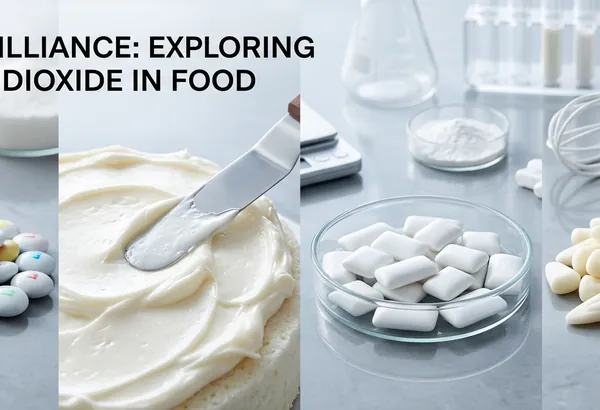
candiesicingssaucessupplements

Why it is used

Adds white color, brightness, and opacity.

Label cues

titanium dioxideE171titanium dioxide color

Ingredient

Carrageenan

thickener

Common foods

dairy alternativeschocolate milkdeli meatwhipped toppingsdesserts

Why it is used

Thickens and stabilizes liquids or gels.

Label cues

carrageenanE407refined carrageenan

Ingredient

Xanthan gum

thickener

Common foods

gluten-free baked goodssaucesdressingsfrozen desserts

Why it is used

Adds thickness, structure, and suspension.

Label cues

xanthan gumE415xanthan

Ingredient

Lecithin

emulsifier

Common foods

chocolatebaked goodsdressingsinfant foodssupplements

Why it is used

Helps fat and water stay mixed.

Label cues

lecithinE322soy lecithinsunflower lecithin

Ingredient

Calcium propionate

preservative

Common foods

breadbunstortillaspackaged baked goods

Why it is used

Slows mold growth in bakery products.

Label cues

calcium propionateE282propionate mold inhibitor

Ingredient

BHA

preservative

Common foods

frozen mealsbreakfast cerealscookiescandyice creammeat products

Why it is used

Protects fats and oils from rancidity and spoilage in fat-containing packaged foods.

Label cues

BHAE320butylated hydroxyanisole

Ingredient

BHT

preservative

Common foods

cerealssnacksgumshelf-stable foods

Why it is used

Protects fats and oils from oxidation.

Label cues

BHTE321butylated hydroxytoluene

Ingredient

Sucralose

sweetener

Common foods

diet drinksflavored dairyprotein productstabletop packetslow-sugar mixes

Why it is used

Adds intense sweetness without sugar.

Label cues

sucraloseE955Splenda

Ingredient

Acesulfame potassium

sweetener

Common foods

zero-sugar drinksgumprotein productsreduced-sugar snacks

Why it is used

Boosts sweetness, often with other sweeteners.

Label cues

acesulfame KAce-KE950

Ingredient

Red 40

dye

Common foods

sports drinkscandycerealfrostingsnacks

Why it is used

Adds bright red color.

Label cues

Red 40allura redred no. 40

Ingredient

Yellow 5

dye

Common foods

beveragesdessertscandybreakfast cerealsbright processed foods

Why it is used

Adds yellow or orange color; FDA requires foods with Yellow 5 to declare it by name.

Label cues

Yellow 5tartrazineyellow no. 5

Ingredient

Yellow 6

dye

Common foods

chipscandybakery fillingsbeveragessnacks

Why it is used

Adds orange-yellow color.

Label cues

Yellow 6E110Sunset Yellow FCF

Ingredient

Blue 1

dye

Common foods

sports drinkscandyfrostingsice creamfreezer popsnovelty snacks

Why it is used

Adds vivid blue or blended green-blue color; FDA treats it as a certified color additive.

Label cues

Blue 1FD&C Blue No. 1Brilliant Blue FCFE133

Ingredient

Propylparaben

preservative

Common foods

tortillasbaked goodssnacks

Why it is used

Preserves foods where fat and moisture make shelf life fragile.

Label cues

propylparabenpropyl parabenE216

Ingredient

Potassium bromate

additive

Common foods

breadrollsbunsbromated flourcommercial bakery products

Why it is used

Strengthens dough and improves loaf volume; FDA still lists potassium bromate in bread and flour standards.

Label cues

potassium bromatebromated flourflour improver

Ingredient

Azodicarbonamide

additive

Common foods

commercial breadbunsbakery products

Why it is used

Conditions dough and improves handling.

Label cues

azodicarbonamideADAdough conditionerflour treatment agent

Ingredient

Brominated vegetable oil

emulsifier

Common foods

legacy citrus sodassome flavored drinks

Why it is used

Kept citrus flavoring suspended in beverages.

Label cues

brominated vegetable oilBVObrominated soybean oil

Featured Ingredients

Start with the ingredient profiles

preservative

Sodium benzoate

E211 preservative, preservative 211, and INS 211 all mean sodium benzoate. It appears most often in acidic beverages, sauces, condiments, and shelf-stable products, where it helps keep bacteria, yeasts, and moulds from growing.

gluten free: yesvegan: yes

dye

Titanium dioxide

Titanium dioxide is a whitening and opacity agent used to make icings, candies, sauces, and supplements look brighter and more uniform. It became a household ingredient topic after Europe decided food use was no longer acceptable.

gluten free: yesvegan: yes

thickener

Carrageenan

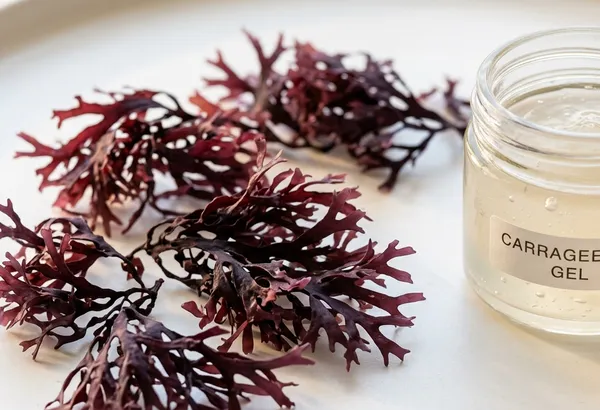
Carrageenan is a seaweed-derived thickener used in dairy alternatives, chocolate milk, deli meat, whipped toppings, and desserts. It is useful in manufacturing because it helps liquids stay smooth and suspended.

gluten free: yesvegan: yes

thickener

Xanthan gum

Xanthan gum is a fermentation-derived thickener that shows up in gluten-free baking, sauces, dressings, and frozen desserts. It is often the ingredient that gives wheat-free products enough structure to hold together.

gluten free: yesvegan: yes

emulsifier

Lecithin

Lecithin is a broad label term for phospholipid-rich emulsifiers used in chocolate, baked goods, dressings, infant foods, and supplements. The source can be soy, sunflower, egg, or less commonly animal tissue.

gluten free: yesvegan: depends

preservative

Calcium propionate

Calcium propionate is a mold-inhibiting preservative commonly used in bread, buns, tortillas, and other packaged baked goods. It matters because it sits at the center of a real shelf-life tradeoff between softer bread products and simpler ingredient decks.

gluten free: dependsvegan: yes

preservative

BHA

BHA is a synthetic antioxidant preservative added to fats and oils in frozen meals, breakfast cereals, cookies, candy, ice cream, meat products, and other packaged foods. It is useful for shelf life, but it also carries one of the most persistent reputational and toxicology debates in the food supply.

gluten free: yesvegan: yes

preservative

BHT

BHT is a synthetic antioxidant preservative used to protect fats and oils from oxidation in cereals, snacks, gum, and other shelf-stable foods. It matters because it often appears in the same product ecosystem as BHA and has become part of the wider re-evaluation of older synthetic preservatives.

gluten free: yesvegan: yes

sweetener

Sucralose

Sucralose is a high-intensity sweetener used in diet drinks, flavored dairy, protein products, tabletop packets, and low-sugar baking mixes. It is popular because it is intensely sweet, shelf-stable, and easy to formulate around.

gluten free: yesvegan: yes

sweetener

Acesulfame potassium

Acesulfame potassium is a high-intensity artificial sweetener used in zero-sugar drinks, gum, protein products, and reduced-sugar packaged foods. It matters because it is a common formulation tool in modern ultra-processed products even when shoppers do not always recognize the label name.

gluten free: yesvegan: yes

dye

Red 40

Red 40 is the most widely used synthetic food dye in the United States and shows up across sports drinks, candy, cereal, frosting, and snack products. It matters because it is common, not because every single use case is identical.

gluten free: yesvegan: yes

dye

Yellow 5

Yellow 5 is a synthetic dye used in beverages, desserts, candy, breakfast cereals, chips, and other products that want a bright yellow or orange tone. It often appears alongside other petroleum-based dyes rather than as a one-off ingredient.

gluten free: yesvegan: yes

dye

Yellow 6

Yellow 6 is a widely used orange-yellow synthetic dye found in chips, candy, bakery fillings, beverages, and snack foods. It matters because it is one of the easiest colors for shoppers to spot in mass-market products even when it does not dominate the public conversation like Red 40.

gluten free: yesvegan: yes

dye

Blue 1

Blue 1 is a synthetic certified color additive, also called FD&C Blue No. 1, Brilliant Blue FCF, or E133. It creates vivid blue and blue-green shades in sports drinks, candy, frostings, ice cream, freezer pops, and novelty snacks, and it has become part of the broader retailer and regulatory shift away from synthetic colors.

gluten free: yesvegan: yes

preservative

Propylparaben

Propylparaben is a preservative used to slow spoilage in certain processed foods, especially where fat and moisture make shelf life fragile. It draws attention because the United States and Europe have treated the ingredient very differently.

gluten free: yesvegan: depends

additive

Potassium bromate

Potassium bromate is a flour improver that can strengthen dough and improve loaf volume in commercial baking. It is one of the clearest examples of an ingredient that remains legal in parts of the U.S. while many other markets have already rejected it.

gluten free: novegan: yes

additive

Azodicarbonamide

Azodicarbonamide is a flour treatment agent used to strengthen dough handling and promote a more uniform crumb in commercial bread products. It is more famous in public debate for where it is banned than for what bakers use it to do.

gluten free: novegan: yes

emulsifier

Brominated vegetable oil

Brominated vegetable oil is a beverage emulsifier once used to keep citrus flavor oils suspended in soft drinks and flavored beverages. It matters because it became one of the rare additive stories that mainstream shoppers could easily understand and that regulators, states, and retailers all eventually moved against.

gluten free: yesvegan: yes

Related Blog Guides

Read the supporting explainers

View all posts
Preservative 211 (E211): Sodium Benzoate Meaning and Risk

Ingredient Deep Dives

Apr 7, 2026 | 9 min read

Preservative 211 (E211): Sodium Benzoate Meaning and Risk

Preservative 211, E211, and INS 211 all mean sodium benzoate. See where it appears, benzene risk, label names, and when alternatives matter.

Titanium Dioxide (E171): Banned in EU, Still in US Candy

Ingredient Deep Dives

Mar 9, 2026 | 11 min read

Titanium Dioxide (E171): Banned in EU, Still in US Candy

The EU banned titanium dioxide (E171) in 2022 over genotoxicity concerns. The FDA still allows it in candy, gum, and frosting across the US. Here's how to spot it on labels.

Carrageenan Explained: Why It Matters for Your Gut

Ingredient Deep Dives

Mar 18, 2026 | 10 min read

Carrageenan Explained: Why It Matters for Your Gut

Carrageenan is in thousands of everyday foods, from almond milk to deli meats. Learn what the latest science says about its effects on gut health, who should pay attention, and how to spot it on a label.

Calcium Propionate: The Bread Preservative That Keeps Mold Away

Ingredient Deep Dives

Apr 27, 2026 | 8 min read

Calcium Propionate: The Bread Preservative That Keeps Mold Away

Calcium propionate helps packaged bread last longer without visible mold, which is exactly why Aldi now treats it as a clean-label tradeoff worth removing.

Red 40 & Yellow 5: The 6 Food Dyes the FDA Is Phasing Out

Food Policy Watch

Mar 9, 2026 | 10 min read

Red 40 & Yellow 5: The 6 Food Dyes the FDA Is Phasing Out

Red 40, Yellow 5, and 4 other petroleum-based dyes are being removed from US food by the FDA after decades of ADHD and hyperactivity concerns. Here's what's still in your pantry.

Hidden Ingredients: 5 Sneaky Things Food Labels Don't Tell You

Label Reading Guides

Mar 19, 2026 | 9 min read

Hidden Ingredients: 5 Sneaky Things Food Labels Don't Tell You

Food labels are required by law to list what's in your food — but the rules have more holes than you'd think. Here are five categories of ingredients that routinely hide in plain sight.

Get the app for clearer label decisions.

Scan labels, see what fits your food notes, and read the why in plain English.

IngrediCheck app