Titanium dioxide
Titanium dioxide E171 in food: EU ban, U.S. status, where it appears, diet notes, and label checks for candy and supplements.
Aliases and label clues
Overview
Titanium dioxide is a whitening and opacity agent used to make icings, candies, sauces, and supplements look brighter and more uniform. It became a household ingredient topic after Europe decided food use was no longer acceptable.
Diet snapshot
What It Does in Food
Titanium dioxide is most commonly used as whitener, opacity agent, and color additive in packaged food.
Category
Food dye
Evidence and Regulatory Summary
The EU and U.S. now take visibly different positions on titanium dioxide in food, which is why it remains a strong signal ingredient for shoppers who watch regulatory divergence closely. The conversation is driven by particle behavior and uncertainty, not just consumer optics.
Diet Notes
Titanium dioxide is not a diet-rule ingredient in the allergy sense. It is mainly relevant to people who want to minimize controversial color additives in sweets, supplements, and highly cosmetic processed foods.
Shopper Guidance
Because titanium dioxide is largely cosmetic, it is often an easy ingredient to avoid when alternatives exist. That makes it one of the cleaner examples of an additive you can treat as optional rather than essential.
Next Label Check
Use Titanium dioxide in the scanner and topic paths around it
Related Guides
Read the connected explainers
Ingredient Deep Dives
Mar 9, 2026 | 11 min read
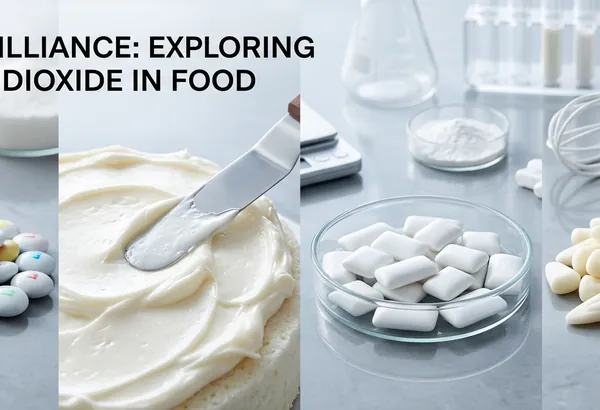
Titanium Dioxide (E171): Banned in EU, Still in US Candy
The EU banned titanium dioxide (E171) in 2022 over genotoxicity concerns. The FDA still allows it in candy, gum, and frosting across the US. Here's how to spot it on labels.
Food Policy Watch
Mar 23, 2026 | 10 min read
44 Food Additives Banned Abroad: Texas's Warning Label List
Texas passed a law requiring warning labels on foods containing 44 ingredients banned in the EU, Australia, Canada, or the UK. Here's what's on the list and why it matters.
Food Policy Watch
Mar 26, 2026 | 10 min read
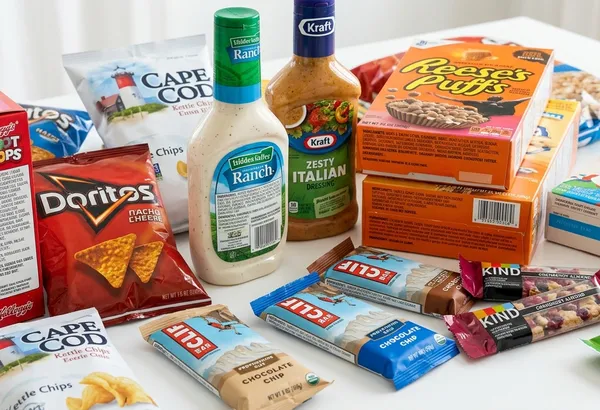
How 'FDA Approved' Food Additives Are Still Making People Sick
The GRAS loophole lets food companies self-certify their own ingredients as safe — without telling the FDA. Here's how approved additives get into your food, and why 'safe' has a much lower bar than you think.
FAQ
Common questions
Why did the EU ban titanium dioxide in food?
EFSA concluded titanium dioxide could no longer be considered safe as a food additive, largely because genotoxicity concerns could not be ruled out.
Where does titanium dioxide appear on labels?
It can appear as titanium dioxide, E171, titanium dioxide color, or a whitening and opacity agent in candy, icings, sauces, and supplements.
Is titanium dioxide needed for nutrition?
No. In food it is mainly cosmetic, so shoppers who want to avoid it can often choose similar products without the whitening additive.
Sources
This profile uses regulatory and journal sources and follows the IngrediCheck editorial policy.
Get the app for clearer label decisions.
Scan labels, see what fits your food notes, and read the why in plain English.