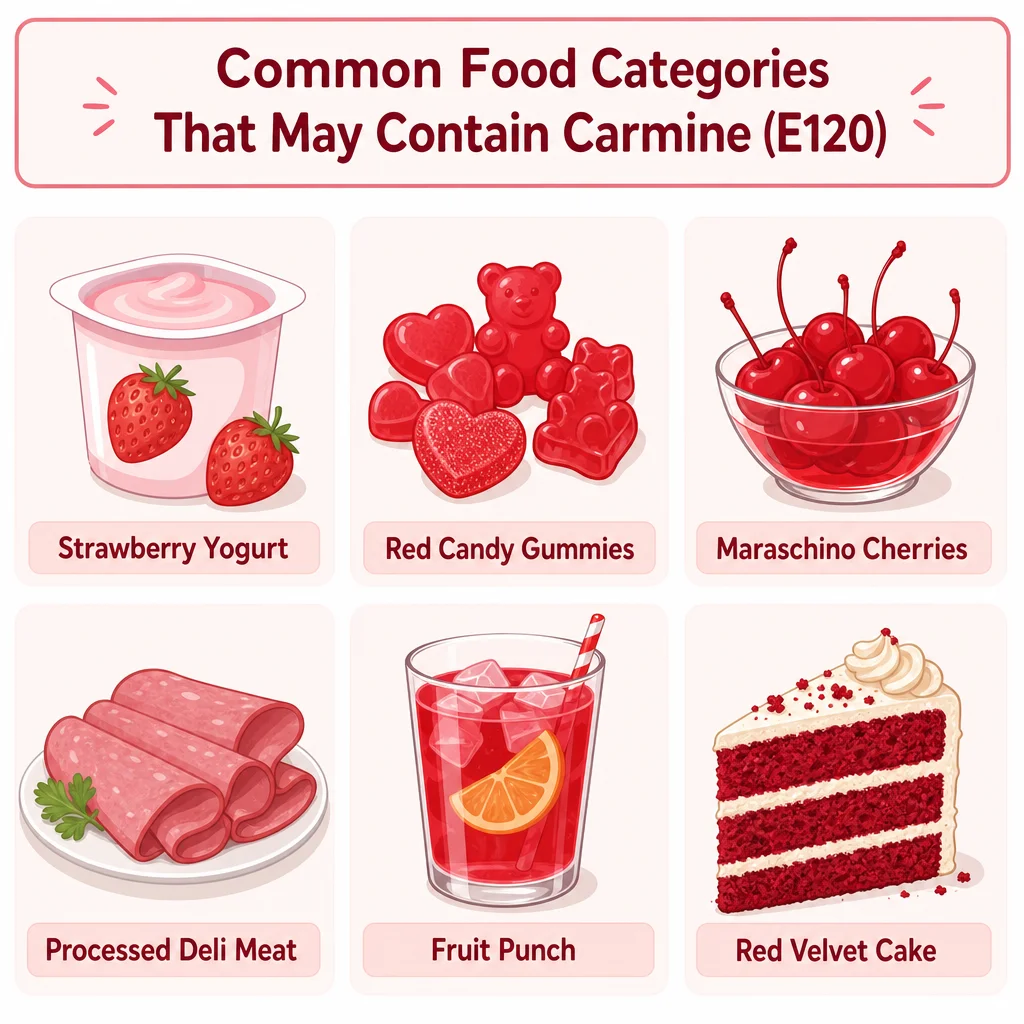
Quick answer: Carmine (also labeled cochineal extract, carmine color, or E120) is a red dye made from crushed cochineal insects. The FDA considers it safe and requires it to be named on labels, but it is not vegetarian or vegan and can rarely cause allergic reactions. It appears in yogurt, fruit drinks, candy, and cosmetics.
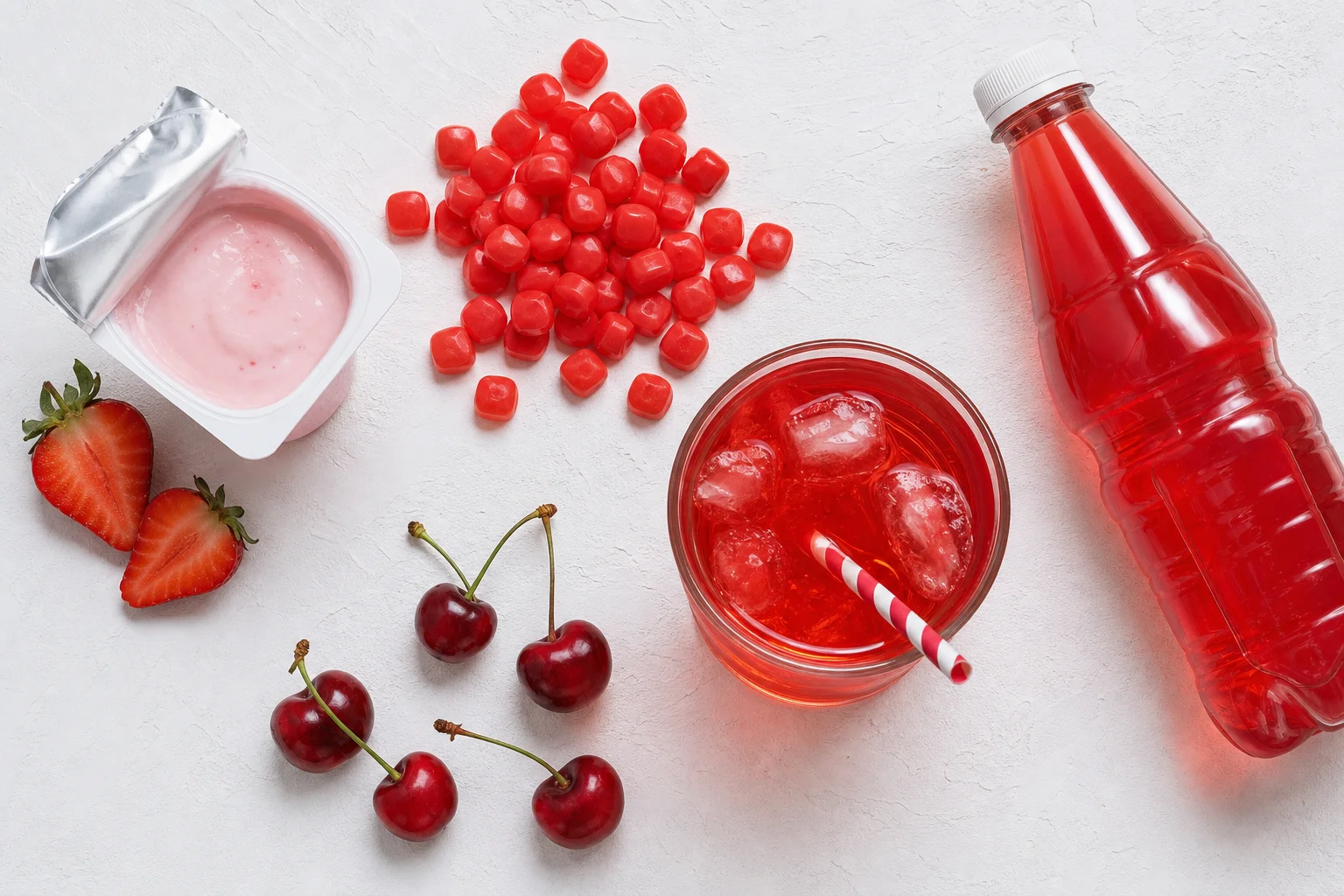
Picture the vivid red swirl in a strawberry yogurt, the deep crimson of a fruit punch, the bright pink flush in some maraschino cherries. Those colors look natural. And one of them technically is — just not in the way most consumers assume.
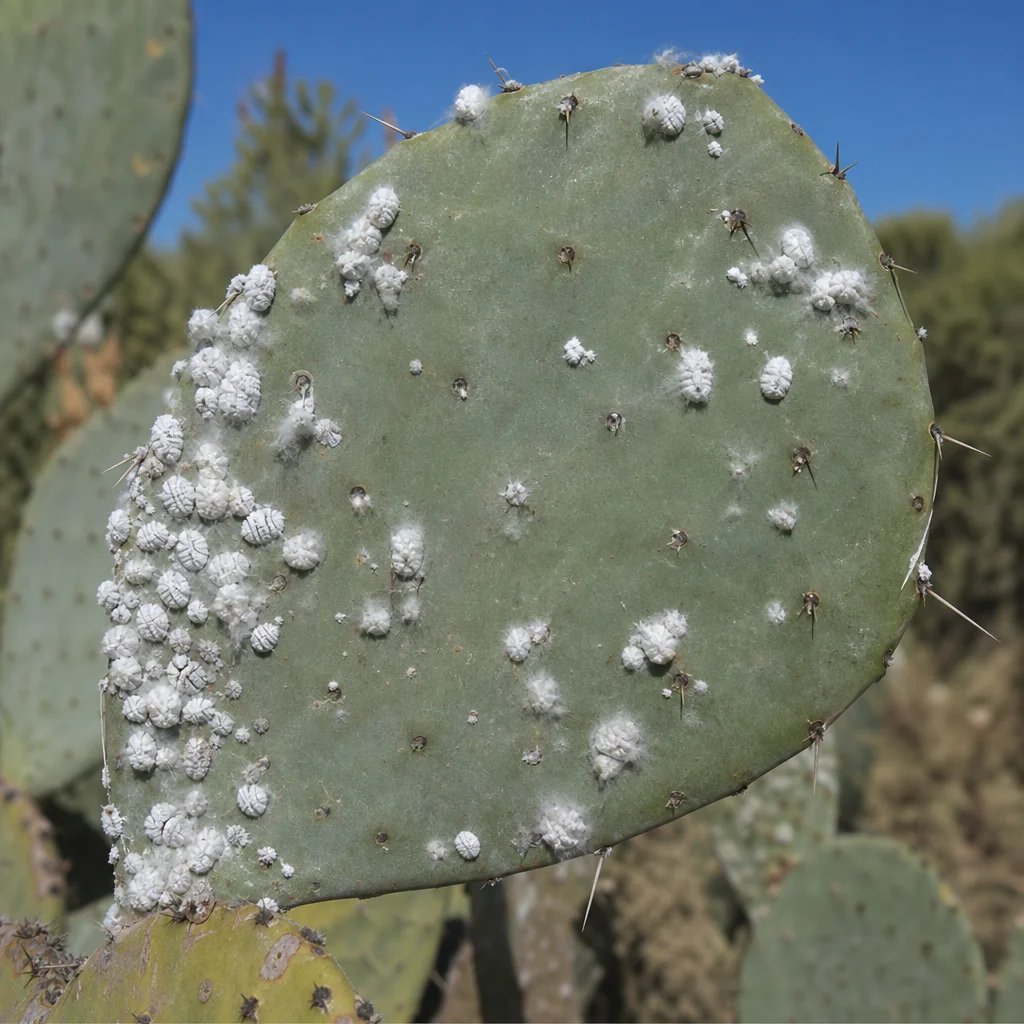
Carmine is a red colorant made from the dried and crushed bodies of Dactylopius coccus — the cochineal insect, a scale bug that lives on certain species of cactus in South America and Mexico. It has been used as a dye for centuries, first by Aztec and Inca civilizations, later imported to Europe where it transformed the textile trade. Today, it is one of the most stable and widely used natural red colorants in the global food industry.
It is also one of the most surprising ingredient disclosures a consumer can encounter. The words "cochineal extract" or "carmine" on a yogurt label stop many shoppers cold. That surprise is partly why the FDA required, effective 2011, that cochineal extract and carmine be disclosed by name in the ingredient list of any food, drug, or cosmetic in which they are used — ending a period when they could be hidden under the generic term "artificial color" or "color added."
The rule was a meaningful step forward. But label literacy still matters, because carmine travels under several names. And for vegans, vegetarians, those following halal or kosher dietary laws, and people with certain allergies, carmine is an ingredient that requires active attention.