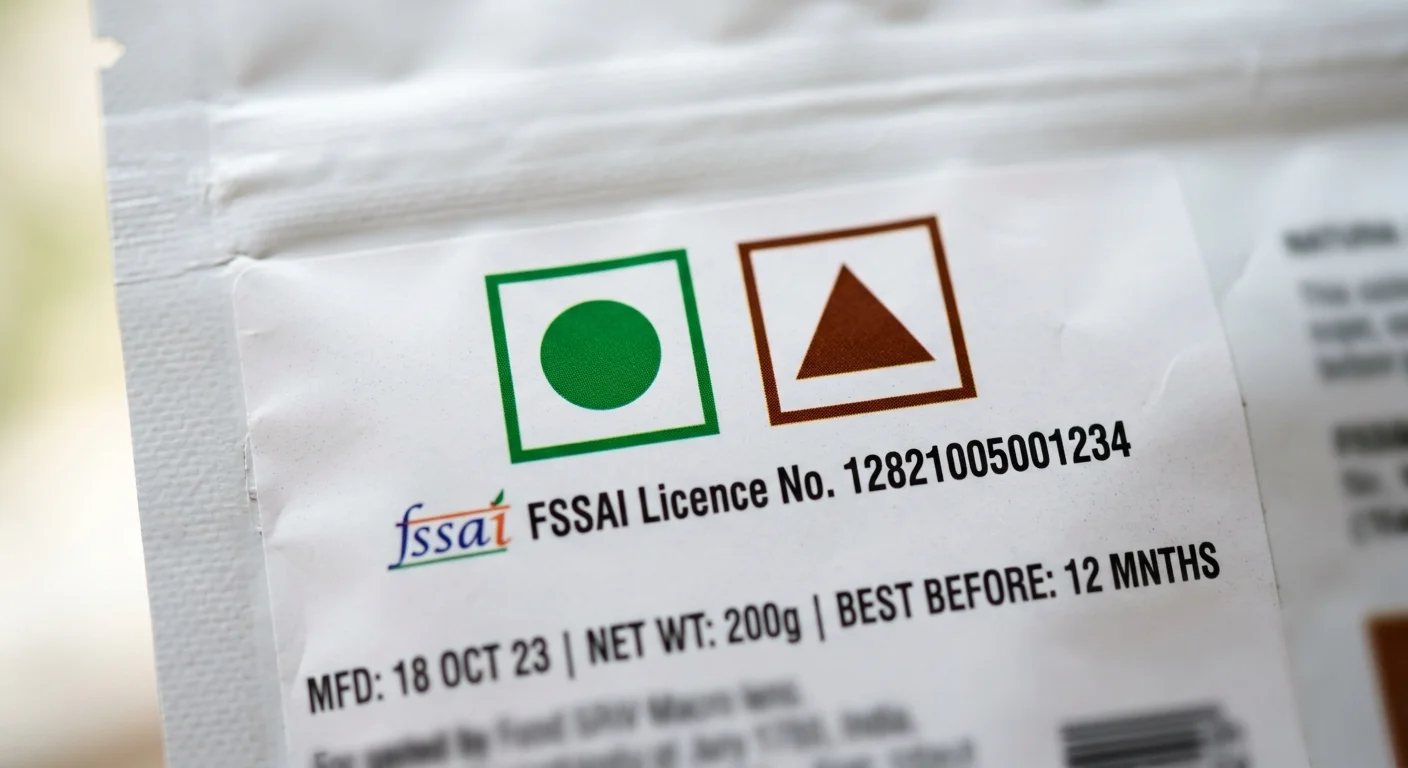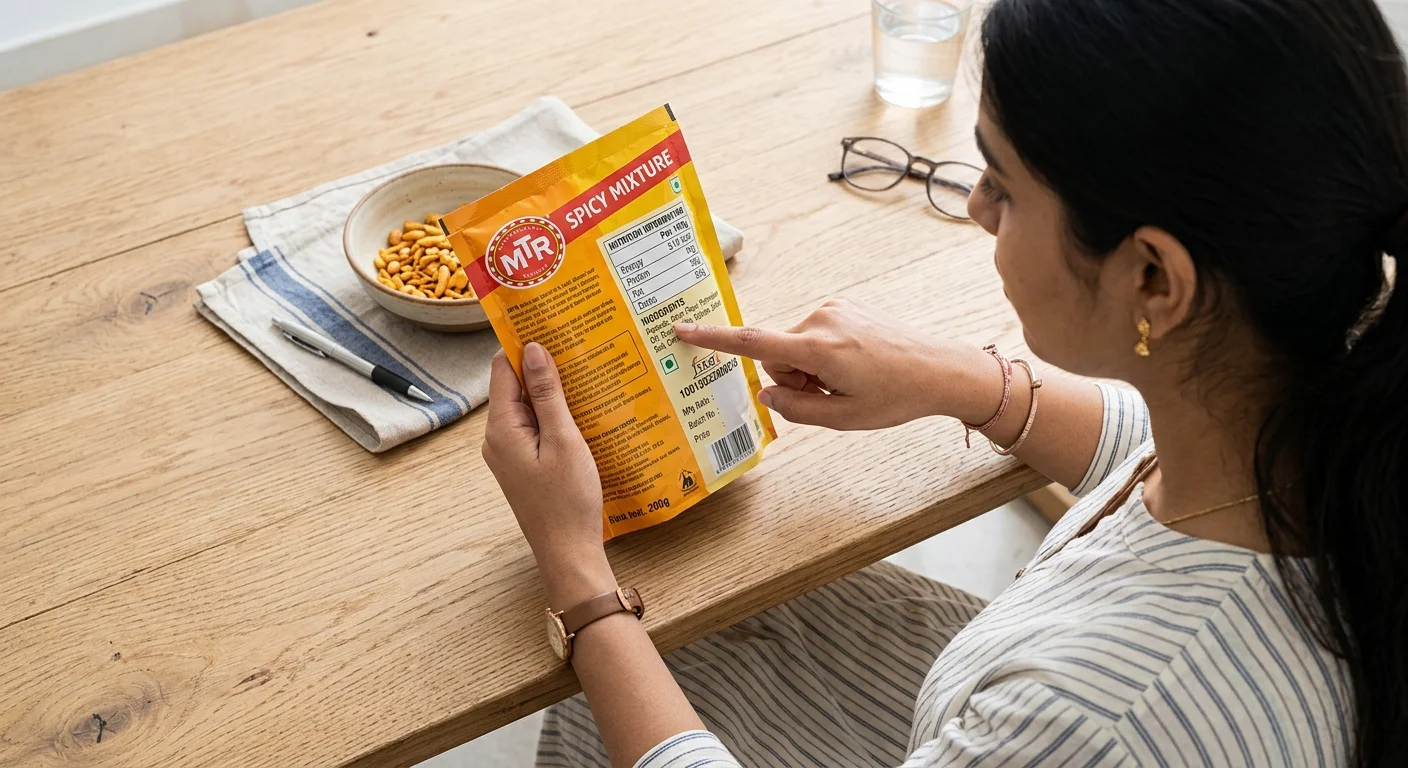
Quick answer: FSSAI's 2026 labelling changes make Indian packaged-food labels more accountable by tightening disclosure rules and reinforcing limits on misleading claims. For shoppers, the main takeaway is simple: front-pack claims matter less than the ingredient list, nutrition panel, symbols, allergen declarations, and FSSAI licence details.
You are standing in a grocery aisle, holding a packet of fruit juice. The front label says "100% Natural." The ingredient list says "reconstituted fruit juice, sugar, citric acid, artificial colour." These two things cannot both be true, and until recently, Indian food law gave the company little reason to reconcile them.
That changed in 2026.
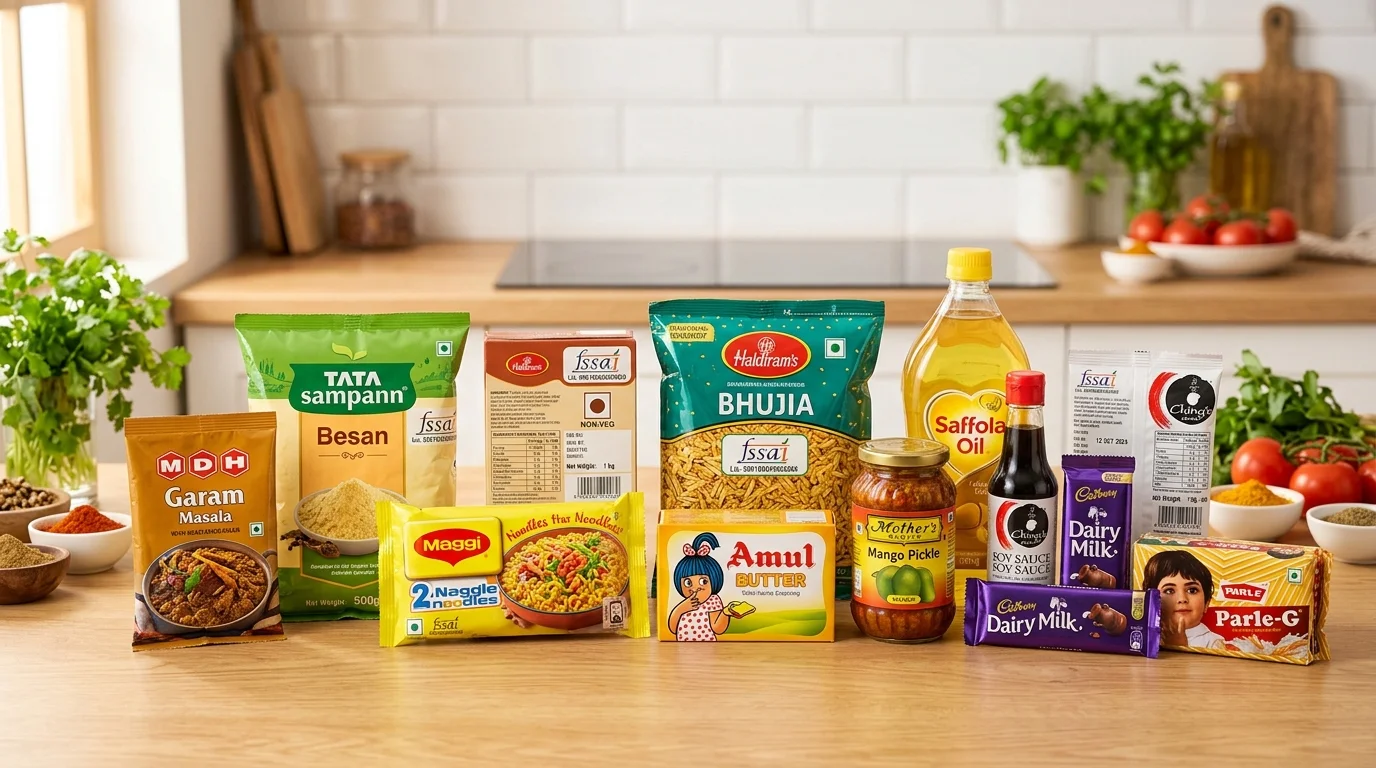
India's Food Safety and Standards Authority of India (FSSAI) has issued its first major amendment to the country's food labelling framework since the FSS (Labelling and Display) Regulations came into force in 2020. The changes build on an earlier crackdown on deceptive marketing claims and introduce new rules around nutritional disclosures and packaging for specific food categories. If you buy packaged food in India, these reforms affect what you see on the label and, more importantly, how much you can trust it.